
- 23 Feb, 2026. Mon
- Junior Batista

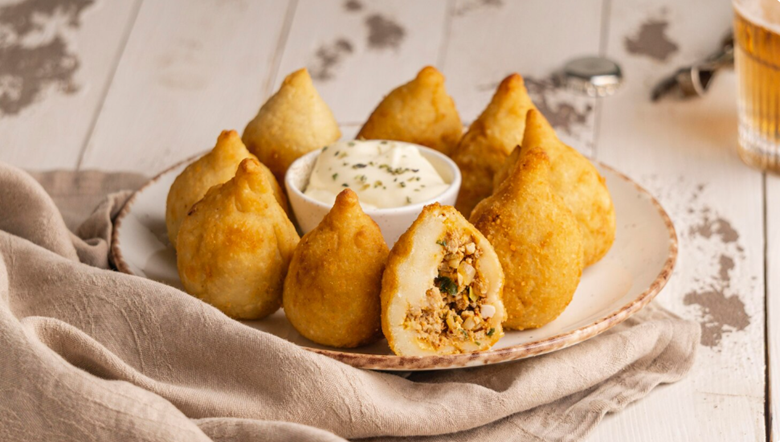
Empanadas have become one of Houston's most beloved Latin
American foods, bringing authentic South American flavors to local tables
through these portable, satisfying pastries. These handheld meals symbolise
centuries of culinary tradition while adapting to modern Houston dining
preferences and lifestyles.
The Cultural Heritage of Empanadas
Empanadas originated in Spain but evolved throughout Latin
America as Spanish colonizers brought the concept to South America, where
indigenous ingredients and African influences created distinctive regional
variations. Each Latin American country developed its own empanada traditions,
creating the varied empanada scene Houston residents enjoy today.
The word empanada comes from the Spanish verb
"empanar," meaning to wrap in bread, which describes the fundamental
concept behind these filled pastries. This simple idea has generated countless
variations across Latin America, each reflecting local ingredients, cooking
methods, and cultural preferences that distinguish one country's empanadas from
another's.
Indigenous & European Influences
Pre-Columbian indigenous peoples in Latin America had their
own traditions of wrapping foods in corn-based doughs, which merged with
Spanish pastry techniques to create modern empanadas. This cultural fusion
explains why some empanadas use wheat flour while others feature corn flour,
depending on regional preferences and ingredient availability.
African influences brought through the slave trade
contributed spice combinations and cooking techniques that appear in empanadas
from certain Latin American regions, adding another layer to the cultural
layers that makes empanadas such rich expressions of Latin American culinary
heritage.
Regional Variations Across Latin America
Argentine empanadas
typically feature flaky, buttery wheat flour dough filled with seasoned beef,
onions, hard-boiled eggs, and olives. These empanadas are usually baked rather
than fried, creating lighter results that showcase the filling flavors without
heavy oil absorption.
Venezuelan empanadas use corn flour dough that creates
denser, more substantial shells typically filled with shredded meat, black
beans, cheese, or plantains. The corn flour provides different nutritional
profiles and flavor characteristics that distinguish Venezuelan empanadas from
wheat flour versions.
Colombian & Peruvian Specialties
Colombian empanadas often include rice within their meat
fillings and feature distinctive spice combinations that reflect Colombia's
particular culinary traditions. These empanadas are frequently served with ají
sauce that adds heat and additional flavor depth to the eating experience.
Peruvian empanadas may include ingredients like aji amarillo
peppers and other indigenous Andean ingredients that create flavor profiles
special to Peru's high-altitude cuisine. These specialties offer Houston
residents opportunities to experience authentic Andean flavors through familiar
empanada formats.
Houston's Empanada Scene
Houston's large Latin American population has created
substantial demand for authentic empanadas, leading to numerous restaurants,
food trucks, and specialty providers throughout the metropolitan area. This
demand ensures Houston residents have access to various regional empanada
styles rather than generic versions adapted for American tastes.
The city's multicultural food scene embraces empanadas as
examples of authentic international cuisine that appeals to both Latin American
families seeking homeland flavors and Houston residents interested in exploring
new culinary experiences through approachable, familiar formats.
Restaurant Integration & Street Food Culture
Many Houston Latin American restaurants serve empanadas as
appetizers or side dishes, allowing diners to experience empanadas within their
traditional cultural contexts alongside other regional specialties. This
integration provides more authentic experiences than restaurants that serve
empanadas as isolated snack foods.
Street food culture in Houston has embraced empanadas
through numerous food trucks and casual vendors who prepare fresh empanadas
daily using traditional methods and family recipes passed down through
generations of Latin American cooking traditions.
Ingredients That Define Authentic Empanadas
Traditional empanada fillings use ingredients that reflect
specific regional preferences and availability, with Argentine versions
typically featuring beef, Colombian empanadas including rice, and Venezuelan
varieties incorporating plantains or black beans. These ingredient choices
create recognizable flavor profiles that identify empanadas' origins.
Quality empanada providers source authentic ingredients
rather than using substitutions that might reduce costs but compromise
traditional flavors. Real Latin American cheeses, properly seasoned meats, and
traditional spice combinations distinguish authentic empanadas from
mass-produced alternatives.
Dough Quality & Preparation
Empanada dough quality significantly affects final results,
with hand-made doughs typically producing superior texture and flavor compared
to mass-produced alternatives. Traditional dough preparation requires specific
techniques that many Latin American families learn through generations of
practice.
The balance between dough thickness and filling quantity
requires skill and experience to achieve properly, as overstuffed empanadas may
burst during cooking while understuffed versions disappoint with excessive
dough and insufficient filling flavors.
Cooking Methods & Serving Traditions
Baked empanadas typically feature lighter results with flaky
exteriors that complement delicate fillings, while fried empanadas create
crispier shells that can support heartier, more exotic filling combinations.
Each cooking method produces different textures and flavor characteristics that
appeal to different preferences.
Traditional serving methods often include specific sauces or
accompaniments that complement particular empanada styles, such as chimichurri
with Argentine empanadas or ají sauce with Colombian versions. These
accompaniments provide additional flavor layers that complete authentic
empanada experiences.
Modern Cooking Adaptations
Houston residents increasingly use air fryers and oven
baking methods to prepare empanadas at home, creating healthier results with
less oil while maintaining satisfying textures and flavors. These modern
cooking methods make empanadas more accessible to health-conscious consumers.
Frozen empanada options allow Houston families to enjoy
authentic Latin American flavors with minimal preparation time, making these
traditional foods compatible with busy modern lifestyles while preserving
authentic taste profiles and cultural connections.
Nutritional Benefits of Traditional Empanadas
Empanadas provide balanced nutrition through their
combination of protein from meat or cheese fillings, carbohydrates from dough,
and vitamins from vegetable ingredients included in traditional recipes. This
nutritional balance makes empanadas satisfying meal options rather than empty
snack foods.
Traditional empanada ingredients often include vegetables,
legumes, and lean meats that contribute significant nutritional value beyond
basic calories, making these foods substantial meal components that provide
energy and nutrients needed for active lifestyles.
Portion Control & Meal Planning
Individual empanadas provide natural portion control that
helps families manage serving sizes while ensuring everyone receives satisfying
quantities of food. This built-in portion management makes empanadas useful for
meal planning and dietary management.
The portability of empanadas makes them practical for packed
lunches, picnics, and on-the-go eating situations that require convenient,
satisfying foods that don't require utensils or extensive preparation before
consumption.
Economic Accessibility & Value
Empanadas typically offer excellent value for money,
providing substantial, satisfying meals at relatively low costs compared to
other restaurant options. This affordability has contributed to their
popularity among Houston residents from various economic backgrounds.
The ingredients used in traditional empanadas are generally
inexpensive and readily available, making them economical choices for families
feeding multiple people while maintaining authentic Latin American flavors and
cultural connections.
Supporting Local Latin American Businesses
Purchasing empanadas from Latin American-owned businesses in
Houston supports community economic development while ensuring authenticity and
cultural preservation. These businesses often reinvest profits in community
activities and cultural events that benefit broader Houston Latin American
communities.
Local empanada providers frequently use traditional family
recipes and preparation methods that preserve authentic regional flavors while
creating economic opportunities for Latin American families establishing
themselves in Houston's varied business circle.
Future Growth & Innovation
Houston's empanada scene continues expanding as more Latin
American families establish food businesses and introduce regional specialties
that were previously unavailable in the city. This growth benefits both Latin
American communities and Houston residents eager to explore authentic
international cuisine.
Innovation in empanada preparation and distribution may
introduce new regional varieties and cooking methods to Houston, possibly
including fusion concepts that combine traditional Latin American flavors with
other culinary influences reflecting Houston's multicultural population.
Empanadas have established permanent places in Houston's
food culture, serving as delicious ambassadors for Latin American culinary
traditions while adapting to local preferences and modern lifestyle
requirements that make authentic international foods accessible to various
Houston communities.
You need to Login OR Register for comment.
Top Spots for Empanadas in Houston You Don't Want to Miss
Where to Find the Best Empanadas in Houston
Comments (0)